
The Growing Trucking Industry and Increased Accident Risks on New York City Roadways
New York City's roadways face mounting challenges as the trucking industry continues its rapid expansion, driven by surging e-commerce demand and the need for continuous freight movement through one of the world's busiest urban centers. The city's already congested streets—from the Cross Bronx Expressway to the Brooklyn-Queens Expressway—now accommodate increasing numbers of large commercial trucks, tractor-trailers, and delivery vehicles navigating alongside passenger cars, pedestrians, and cyclists. This growth has introduced significant safety concerns, including longer stopping distances in dense traffic, blind spot-related collisions, driver fatigue from demanding delivery schedules, inadequate truck maintenance, and the unique dangers posed by oversized vehicles on narrow city streets designed long before modern freight demands. When accidents involving commercial trucks occur, victims often face catastrophic injuries including spinal cord damage, traumatic brain injuries, severe fractures, and permanent disabilities that require extensive medical treatment and long-term care. Understanding how trucking industry practices, federal and state regulations, and carrier negligence contribute to these accidents is essential for those pursuing personal injury claims, as liability may extend beyond the truck driver to include trucking companies, cargo loaders, maintenance contractors, and vehicle manufacturers.
Recent Truck Accident Statistics in New York City
According to data from the New York City Department of Transportation and the NYPD's traffic collision reports, large truck accidents in New York City have shown concerning trends in recent years. In 2022, crashes involving large trucks resulted in over 4,000 reported collisions across the five boroughs, with the majority occurring in Manhattan and Brooklyn where commercial traffic is heaviest. The city recorded approximately 20-25 fatalities annually involving large trucks between 2019 and 2023, with pedestrians and cyclists comprising a significant portion of these deaths due to blind spots and the challenges trucks face navigating narrow city streets. Injury rates from truck-involved accidents have remained elevated, with thousands of motorists, pedestrians, and cyclists suffering injuries ranging from minor to catastrophic each year. The Federal Motor Carrier Safety Administration's data indicates that driver error, including distracted driving and failure to yield, accounts for the majority of truck accidents in urban areas, while mechanical failures and improper cargo loading contribute to a smaller but significant percentage. The rise in delivery truck traffic, particularly from e-commerce companies operating smaller commercial vehicles, has also contributed to increased accident rates in residential neighborhoods that previously experienced less commercial vehicle traffic.
Legal Rights and Considerations
New York operates under a no-fault insurance system requiring Personal Injury Protection (PIP) coverage, but victims of serious truck accidents can step outside this system to pursue personal injury claims when injuries meet the "serious injury" threshold defined in New York Insurance Law § 5102(d), including significant disfigurement, bone fractures, permanent limitation of body function, or substantial limitation of body system use. Commercial trucks in New York must comply with both Federal Motor Carrier Safety Regulations (FMCSRs) and New York Vehicle and Traffic Law, with violations of hours-of-service rules, weight restrictions, or maintenance requirements potentially establishing negligence. Injured parties have three years from the accident date to file a personal injury lawsuit under New York Civil Practice Law and Rules § 214, though wrongful death claims must be filed within two years. Compensation may include past and future medical expenses, lost wages and earning capacity, pain and suffering, rehabilitation costs, and in cases involving gross negligence or reckless conduct, punitive damages. Trucking companies typically carry substantial commercial liability insurance policies, often with minimum coverage of $750,000 to $1 million or more depending on cargo type.
Related Resources
New York Courts:
- New York Supreme Court (handles personal injury cases in all five boroughs)
- Civil Court of the City of New York (cases under $25,000)
- New York State Unified Court System: www.nycourts.gov
Traffic Laws and Regulations:
- New York State Vehicle and Traffic Law: www.nysenate.gov/legislation/laws/VAT
- Federal Motor Carrier Safety Administration (FMCSA): www.fmcsa.dot.gov
- New York State Department of Transportation: www.dot.ny.gov
Support Services for Accident Victims:
- New York State Department of Financial Services (insurance complaints): www.dfs.ny.gov
- NYC Department of Transportation (accident reports and traffic safety): www.nyc.gov/dot
- New York State Crime Victims Board (for qualifying violent crimes): www.ovs.ny.gov
- Safe Streets NYC (pedestrian and cyclist safety advocacy): www.safetreetsnyc.org
- Transportation Alternatives (victim support and advocacy): www.transalt.org
Medical and Rehabilitation Resources:
- NYC Health + Hospitals (public hospital system): www.nychhc.org
- Brain Injury Association of New York State: www.bianys.org
- United Spinal Association: www.unitedspinal.org
Most recent accident reports
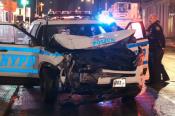
A Saturday morning collision involving an NYPD squad vehicle triggered a multi-vehicle chain-reaction crash at the intersection of Broadway and Walker Street in Manhattan's Tribeca neighborhood, leaving three people injured just before 6
A devastating incident unfolded in Deer Park on Long Island, New York, when a 2020 Chevy Traverse driven by 64-year-old Steven Schwally crashed into Hawaii Nail & Spa just after 4:30 pm on a Friday afternoon.
In a tragic incident on July 4th, a suspected drunk driver from New Jersey caused devastation at Corlears Hook Park in New York City, resulting in multiple fatalities and injuries.
Bus accident statistics in Manhattan and across New York State reveal a significant impact on public safety and transportation infrastructure. In Manhattan alone, bus accidents contribute to a notable portion of vehicular incidents.
In Floral Park, Nassau County, a dramatic incident unfolded early Tuesday morning when a stolen car careened into a residential home on Arthur Avenue, just a short distance from Hempstead Turnpike.
In New York City, the recent opening of a two-way protected bike lane on the Washington Bridge marks a significant development aimed at improving cyclist safety.
- Page 1
- next ›